| Home > Composers Hall of Fame |
Composers Hall of FameExplore the Brilliant Music of Great Composers From Medieval to Renaissance, from Baroque through Classic, Romantic and the Modern era, these are the composers you've grown up with. Breathtaking in their orchestration, with many songs recorded by world-class symphony orchestras and ensembles, their songs have stood the test of time. Whether you need something sublime, whimsical or grandiose, the Composers Hall of Fame at AudioSparx is perfect for any project needing brilliant music, classical or otherwise. Compositions from Bach, Beethoven, Mozart, Handel, Chopin, Tchaikovsky and over 100 other world-reknowned composers are presented here, including works from contemporary composers such George Gershwin, Gilbert and Sullivan and others. This is the music you've been looking for, here now for your immediate listening pleasure! |
|
|
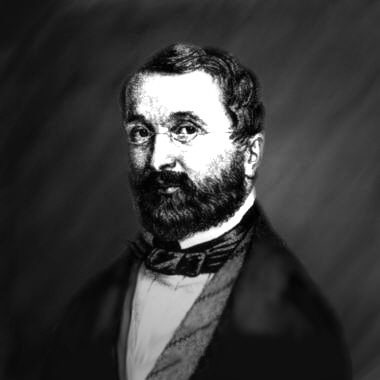
Home: Paris, France Adolphe Charles Adam (1803 - 1856) was born in Paris, France. His father was Jean Louis Adam, the acclaimed concert pianist and professor of piano at the Paris Conservatory. Adolph Adam enrolled in the Paris Conservatory against his father's will in 1817. There he studied piano, and from 1821 also studied composition under Francois Boieldieu. Adolphe Adam is best known for his classic ballets "Faust" (1832), "Giselle" (1840), and "Le Corsaire" (1848). |
|
|
|
||
|
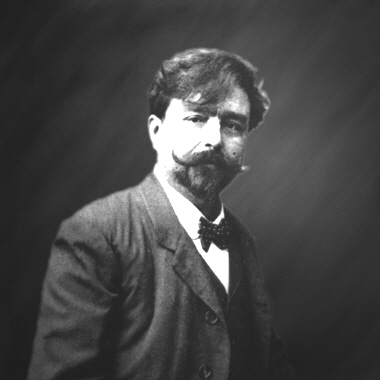
Home: Camprodon, Spain Isaac Albéniz i Pascual (1860 – 1909) was a Spanish Catalan pianist and composer best known for his piano works based on folk music. Born in Camprodon, Spain, Albéniz was a child prodigy who first performed at the age of four. At age seven he passed the entrance examination for piano at the Paris Conservatoire, but he was refused admission because he was believed to be too young. |
|
|
|
||
|
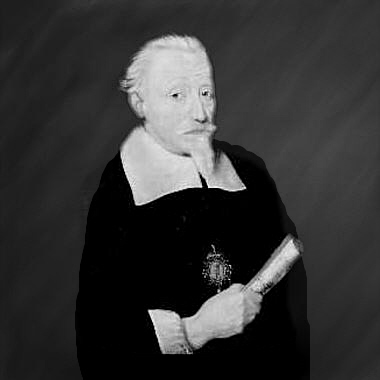
Home: Rome, Italy Gregorio Allegri (1582 – 1652) was an Italian composer and priest of the Roman School of composers. He mainly lived in Rome, and died there. He studied music under Giovanni Maria Nanini, the intimate friend of Palestrina. Being intended for the church, he obtained a benefice in the cathedral of Fermo. Here he composed a large number of motets and other sacred music, which, being brought to the notice of Pope Urban VIII, obtained for him an appointment in the choir of the Sistine Chapel at Rome. |
|
|
|
||
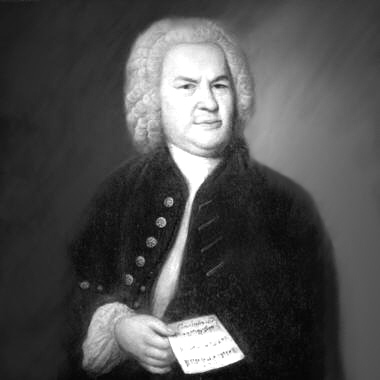
|
Home: Eisenach, Germany Johann Sebastian Bach (1685-1750) is considered by many to have been the greatest composer in the history of western music. Bach's main achievement lies in his synthesis and advanced development of the primary contrapuntal idiom of the late Baroque, and in the basic tunefullness of his thematic material. |
|
|
|
||
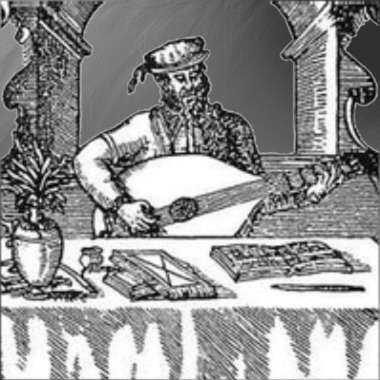
|
Home: Brasov, (Transylvania) Romania Bálint Bakfark (1507 - 1576) was a Hungarian composer and lutenist of the Renaissance. He was enormously influential as a lutenist in his time, and renowned as a virtuoso on the instrument. |
|
|
|
||
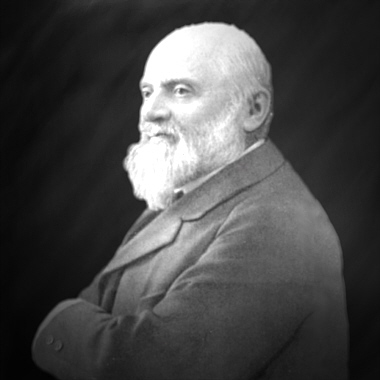
|
Home: Nizhny Novgorod, Russia Mily Alexeyevich Balakirev (1837 - 1910) was a Russian pianist, conductor and composer. He is known today primarily for his work promoting nationalism in Russian music. Working in conjunction with critic Vladimir Stasov, Balakirev brought together the composers now known as The Five, encouraging their efforts and acting as a musical midwife both for them and for Pyotr Ilyich Tchaikovsky. |
|
|
|
||
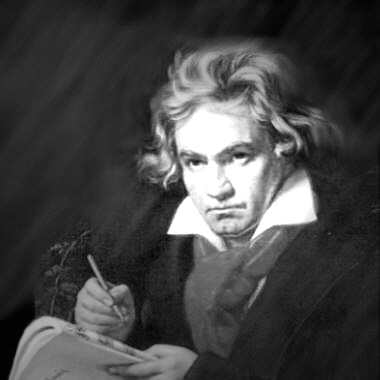
|
Home: Bonn, Germany Ludwig van Beethoven (1770 – 1827) was a German composer and pianist. He is widely regarded as one of history's greatest composers, and was the predominant figure in the transitional period between the Classical and Romantic eras in Western classical music. His reputation and genius have inspired and, in many cases intimidated, ensuing generations of composers, musicians, and audiences. |
|
|
|
||
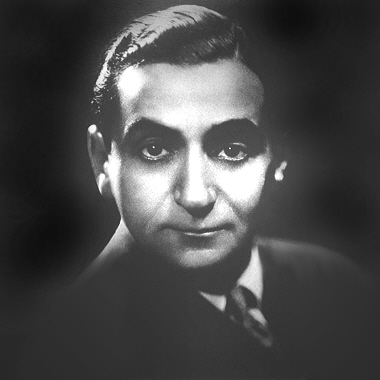
|
Home: New York, USA Irving Berlin (1888 – 1989) was a Jewish American composer and lyricist, and one of the most prolific American songwriters in history. Berlin was one of the few Tin Pan Alley/Broadway songwriters who wrote both lyrics and music for his songs. Although he never learned to read music beyond a rudimentary level, with the help of various uncredited musical assistants or collaborators, he eventually composed nearly 1,000 songs. Among his many compositions were "God Bless America", "White Christmas", "Anything You Can Do", and much more. |
|
|
|
||
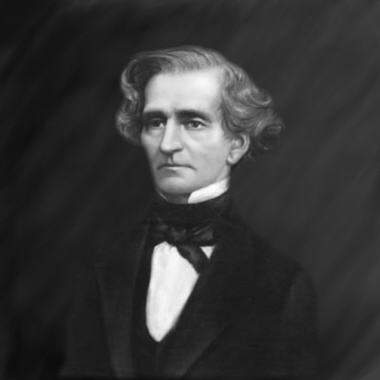
|
Home: La Côte-Saint-André, France Hector Louis Berlioz (1803 - 1869) was a French Romantic composer best known for the Symphonie fantastique, first performed in 1830, and for his Grande Messe des Morts (Requiem) of 1837, with its tremendous resources that include four antiphonal brass choirs. At the other extreme, he also composed about 50 songs for voice and piano. |
|
|
|
||
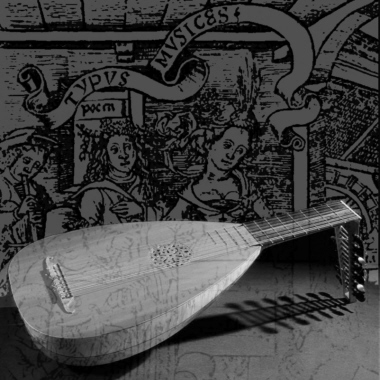
|
Home: , Italy Renaissance Lutist (1617 - 1652) |
|
|
|
||
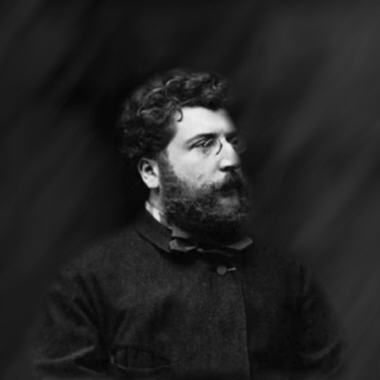
|
Home: Paris, France Georges Bizet (1838-1875) was born in Paris, registered with the legal name Alexandre-César-Léopold Bizet, but was baptized Georges Bizet and was always known by the latter name. A child prodigy, he entered the prestigious Paris Conservatory of Music shortly before his tenth birthday. In 1857 he shared a prize offered by Jacques Offenbach for a setting of the one-act operetta Le docteur Miracle and won the Prix de Rome. |
|
|
|
||
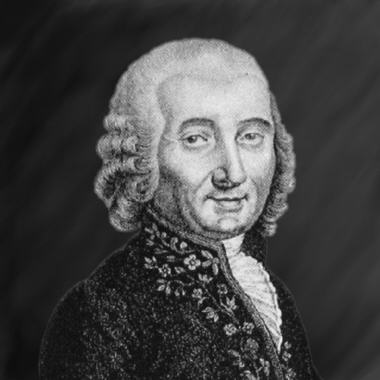
|
Home: Lucca, Italy Luigi Rodolfo Boccherini (1743 – 1805) was a classical era composer and cellist from Italy, whose music retained a courtly and galante style while he matured somewhat apart from the major European musical centers. Boccherini is mostly known for one particular minuet from his String Quintet in E, Op. 11, No. 5, and the Cello Concerto in B flat major (G 482). This last work was long known in the heavily altered version by German cellist and prolific arranger Friedrich Grützmacher, but has recently been restored to its original version. |
|
|
|
||
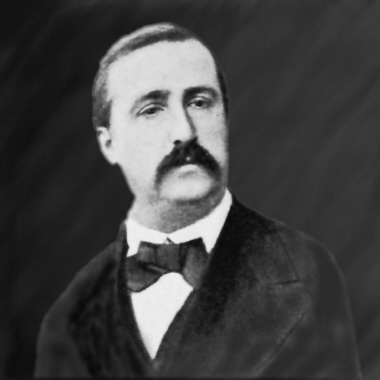
|
Home: Saint Petersburg, Russia Alexander Porfiryevich Borodin (1833 – 1887) was a Russian composer of Georgian-Russian parentage who made his living as a notable chemist. He was a member of the group of composers called The Five (or "The Mighty Handful"), who were dedicated to producing a specifically Russian kind of art music. He is best known for his symphonies, his two string quartets, and his opera Prince Igor, and for later providing the musical inspiration for the musical Kismet. |
|
|
|
||
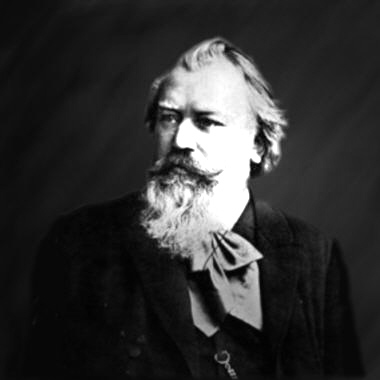
|
Home: Vienna, Austria Johannes Brahms (1833 – 1897) was a German composer and pianist, and one of the leading musicians of the Romantic period. Born in Hamburg, Brahms spent much of his professional life in Vienna, Austria, where he was a leader of the musical scene. In his lifetime, Brahms's popularity and influence were considerable; following a comment by the nineteenth-century conductor Hans von Bülow, he is sometimes grouped with Johann Sebastian Bach and Ludwig van Beethoven as one of the Three Bs. |
|
|
|
||
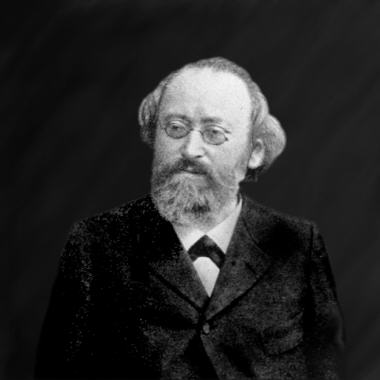
|
Home: Cologne, Germany Max Christian Friedrich Bruch (1838 – 1920) was a German Romantic composer and conductor who wrote over 200 works, including a violin concerto which is a staple of the violin repertoire. |
|
|
|
||
|
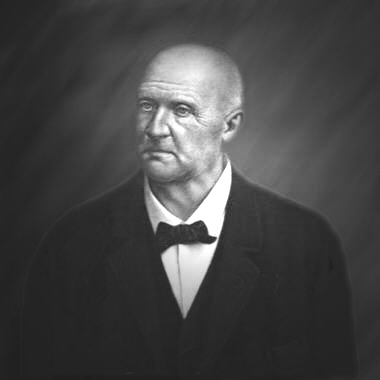
Home: Ansfelden, Austia Anton Bruckner (1824 – 1896) was an Austrian composer known primarily for his symphonies, masses, and motets. His symphonies are often considered emblematic of the final stage of Austro-German Romanticism because of their rich harmonic language, complex polyphony, and considerable length. Bruckner's compositions helped to define contemporary musical radicalism, owing to their dissonances, unprepared modulations, and roving harmonies. |
|
|
|
||
|
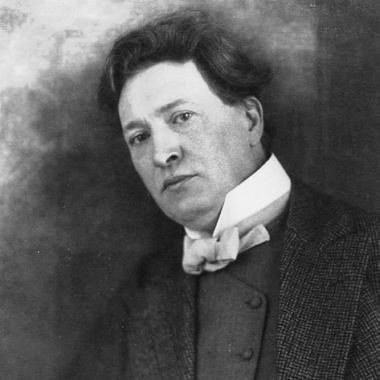
Home: Empoli, Italy Ferruccio Busoni (1866 – 1924) was an Italian composer, pianist, teacher of piano and composition, writer on musical questions, and conductor. |
|
|
|
||
|
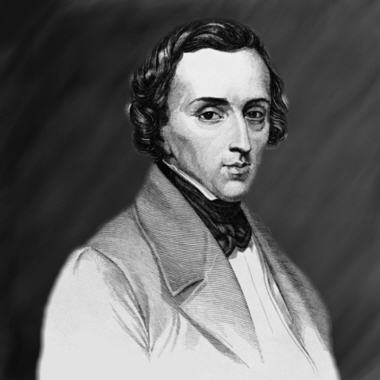
Home: Paris, France Frédéric François Chopin (1810 – 1849) was a Polish pianist and composer of the Romantic era. He is widely regarded as one of the most famous, influential and prolific composers for piano. Chopin was born in the village of Zelazowa Wola, Poland, to a Polish mother and French-expatriate father. Hailed in his homeland as a child prodigy, at age twenty Chopin left for Paris. There he made a career as performer, teacher and composer, and adopted the French version of his given names, "Frédéric-François." |
|
|
|
||
|
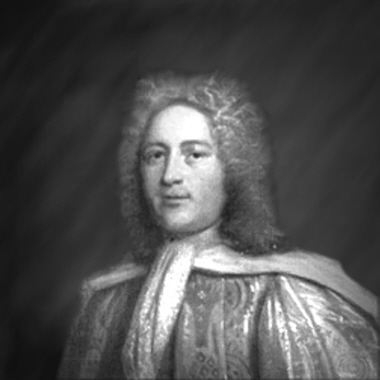
Home: London, England Jeremiah Clarke (1674 - 1707) was an English composer, now best remembered for the popular keyboard piece attributed to him, the Prince of Denmark's March, commonly called the Trumpet Voluntary and attributed for a long time to Henry Purcell. |
|
|
|
||
|
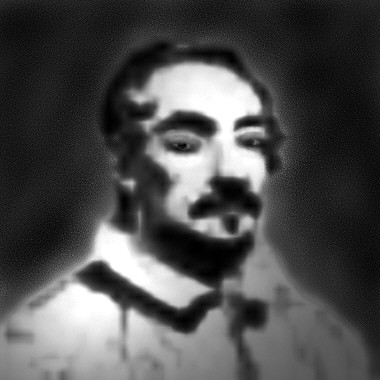
Home: Milan, Italy Joan Ambrosio Dalza (1508 - 1572) was an Italian lutenist, working in Milan. In 1508 he published a lute book with transcriptions of frottolas, improvisatory ricercars to be used as preludes to them, and dances. The dances are arranged in miniature suites of a pavane followed by a saltarello and piva which are thematically related to it. |
|
|
|
||
|
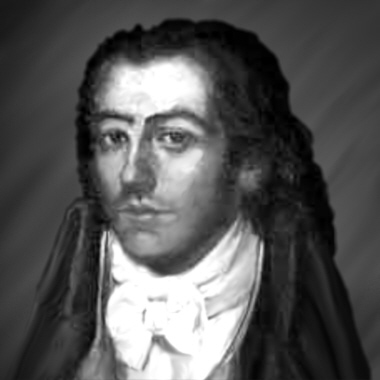
Home: Paris, France Louis-Claude Daquin (1694 – 1772) was a French composer of Jewish birth writing in the Baroque and Galant styles. He was a virtuoso organist and harpsichordist. He was born in Paris, to a converted Jewish family from Carpentras originating from Italy (where their name was D'Acquino). One of his great-uncles was a professor of Hebrew at the College de France. Daquin was a musical child prodigy, for he performed for the court of King Louis XIV at the age of six. |
|
|
|
||
|
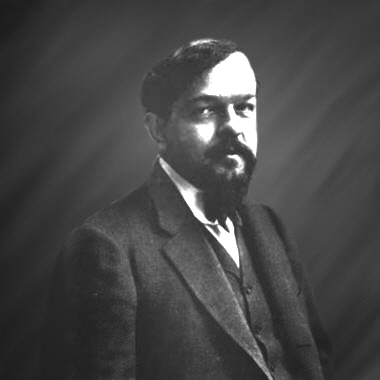
Home: St. Germain-en-Laye, France Achille-Claude Debussy (1862 – 1918) was a French composer. Along with Maurice Ravel he is considered the most prominent figure working within the style commonly referred to as Impressionist music, though he himself intensely disliked the term when applied to his compositions. Debussy was not only among the most important of all French composers but also a central figure in all European music at the turn of the twentieth century. His music virtually defines the transition from late-Romantic music to 20th century modernist music. |
|
|
|
||
|
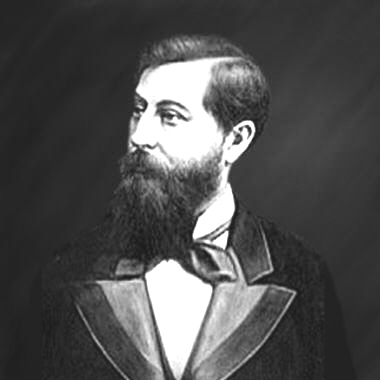
Home: Saint-Germain-du-Val, France (Clément Philibert) Léo Delibes (1836 – 1891) was a French composer of Romantic music. He was born in Saint-Germain-du-Val, France. Delibes was the son of a mailman and a musical mother, but also the grandson of an opera singer. He was raised mainly by his mother and uncle following his father's early death. In 1871, at the age of 35, the composer married Léontine Estelle Denain. Delibes died 20 years later in 1891, and was buried in the Cimetière de Montmartre, Paris. |
|
|
|
||
|
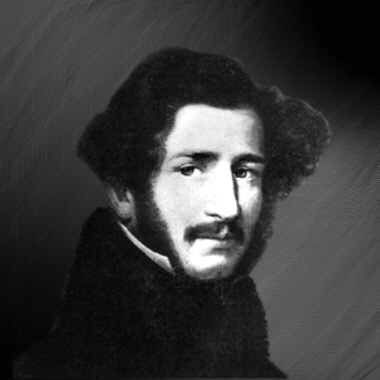
Home: Bergamo, Italy Domenico Gaetano Maria Donizetti (1797 – 1848) was an Italian opera composer from Bergamo, Lombardy. Donizetti's most famous work is Lucia di Lammermoor (1835). Along with Vincenzo Bellini and Gioacchino Rossini, he was a leading composer of bel canto opera. |
|
|
|
||
|
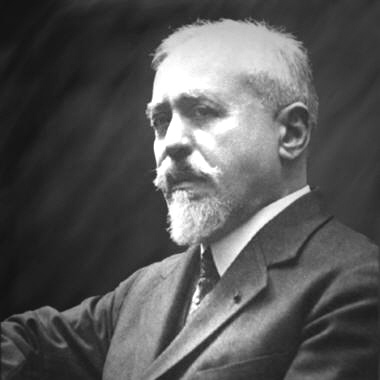
Home: Paris, France Paul Abraham Dukas (1865 - 1935) was a Parisian-born French composer and teacher of classical music. From a French-Jewish family, he studied under Théodore Dubois and Ernest Guiraud at the Conservatoire de Paris, where he became friends with the composer Claude Debussy. After completing his studies Dukas found work as a music critic and orchestrator; he was unusually gifted in orchestration. |
|
|
|
||
|
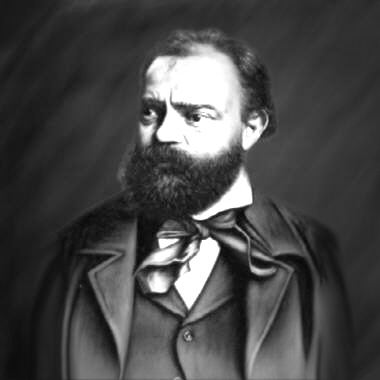
Home: Nelahozeves, Czech Republic Antonín Leopold Dvorák (1841 – 1904) was a Czech composer of Romantic music, who employed the idioms and melodies of the folk music of his native Bohemia in symphonic and chamber music. |
|
|
|
||
|
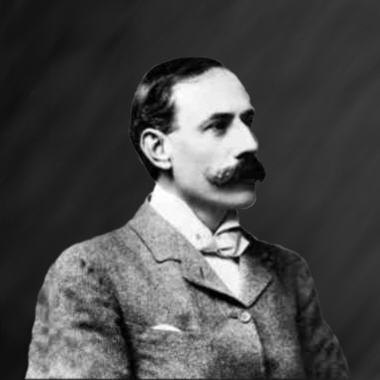
Home: Worcester, England Sir Edward Elgar, 1st Baronet, (1857 – 1934) was an English Romantic composer. Several of his first major orchestral works, including the Enigma Variations and the Pomp and Circumstance Marches, were greeted with acclaim. He also composed oratorios, chamber music, symphonies and instrumental concertos. He was appointed Master of the King's Musick in 1924. |
|
|
|
||
|
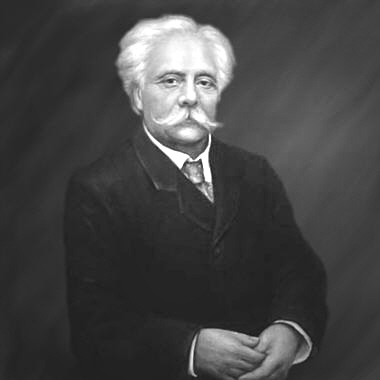
Home: Pamiers, France Gabriel Urbain Fauré (1845 – 1924) was a French composer, organist, pianist, and teacher. He was the foremost French composer of his generation, and his musical style influenced many 20th century composers. His harmonic and melodic language affected how harmony was later taught. |
|
|
|
||
|
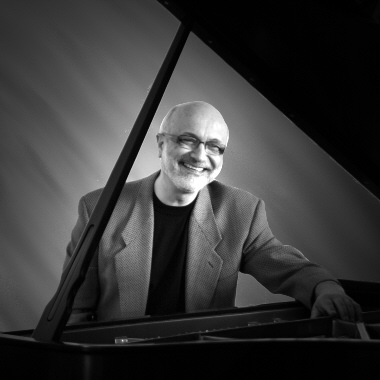
Home: New York City, US Richard Freitas (1945-2011) -- A prolific composer and musician, writing and producing 1200 songs which are broadcast in 60 countries. He garnered three Emmy nominations, two Grammy nominations, and seven International Telly Awards, plus his music is featured on Burn Notice and Season 4 of Mad Men. Richard wrote, arranged and produced music for CBS, NBC, ABC, FOX, MTV, AMC, TNT, HBO, Disney, Sony, and others, plus promos for Ugly Betty, Grey's Anatomy, Desperate Housewives, 20/20, General Hospital, and Jimmy Kimmel. |
|
|
|
||
|
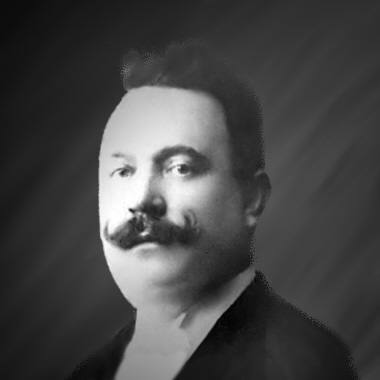
Home: Prague, Czechoslavakia Julius Ernst Wilhelm Fucík (1872 – 1916) was a Czech composer and conductor of military bands. Fucík spent most of his life as the leader of military brass bands. He was a prolific composer, with over 300 marches, polkas and waltzes to his name. As most of his work was for military bands he is sometimes known as the "Bohemian Sousa". |
|
|
|
||
|
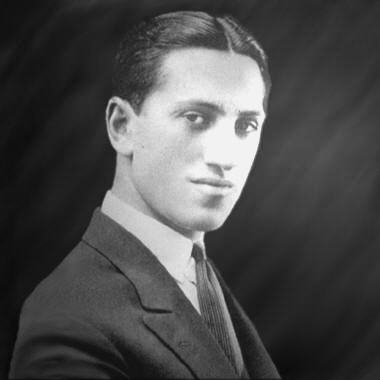
Home: Brooklyn, USA George Gershwin (1898 – 1937) was an American composer. He wrote most of his vocal and theatrical works in collaboration with his elder brother, lyricist Ira Gershwin. George Gershwin composed both for Broadway and for the classical concert hall. He also wrote popular songs with success. |
|
|
|
||
|
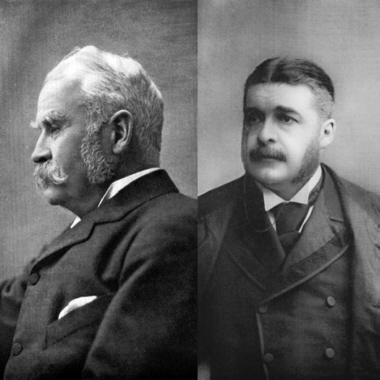
Home: London, England Gilbert and Sullivan refers to the Victorian era partnership of librettist W. S. Gilbert (1836–1911) and composer Arthur Sullivan (1842–1900). Together, they wrote fourteen comic operas between 1871 and 1896, of which H.M.S. Pinafore, The Pirates of Penzance, and The Mikado are among the best known. |
|
|
|
||
|
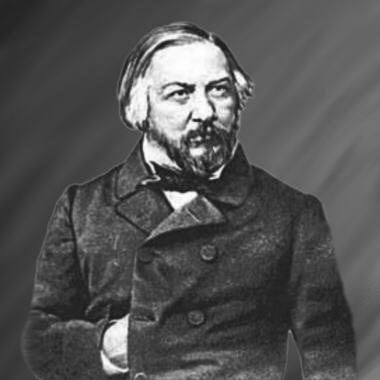
Home: Novospasskoye, Russia Mikhail Ivanovich Glinka (1804 - 1857), was the first Russian composer to gain wide recognition inside his own country, and is often regarded as the father of Russian classical music. Glinka's compositions were an important influence on future Russian composers, notably the members of The Five, who took Glinka's lead and produced a distinctively Russian kind of classical music. |
|
|
|
||
|
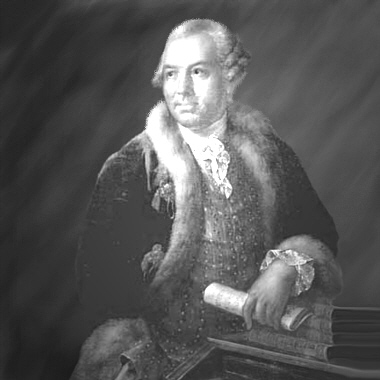
Home: Vienna, Austria Christoph Willibald Ritter von Gluck (1714 - 1787) was a European composer of the 18th century, most noted for his operatic works. After many years at the Habsburg court at Vienna, Gluck brought about the practical reform of opera's dramaturgical practices that many intellectuals had been campaigning for over the years. With a series of radical new works in the 1760s, among them Orfeo ed Euridice and Alceste, he broke the stranglehold that Metastasian opera seria had enjoyed for much of the century. |
|
|
|
||
|
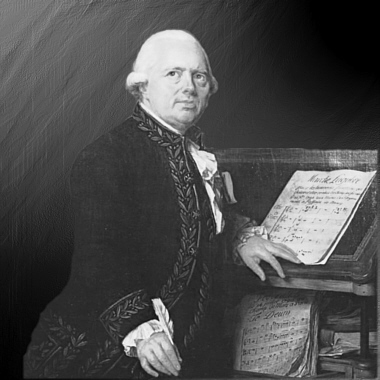
Home: Vergnies, Belgium François-Joseph Gossec (1734 - 1829) was a Belgian composer of operas, string quartets, symphonies, and choral works who worked in France. |
|
|
|
||
|
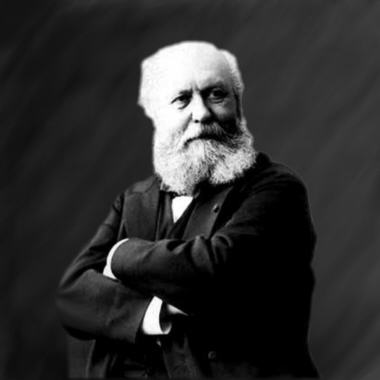
Home: Paris, France Charles-François Gounod (1818 – 1893) was a French composer, best known for his operas Faust and Roméo et Juliette. Gounod was born in Paris, the son of a pianist mother and a draftsman father. His mother was his first piano teacher. Under her tutelage Gounod first showed his musical talents. He entered the Paris Conservatoire where he studied under Fromental Halévy. He won the Prix de Rome in 1839 for his cantata Ferdinand. He subsequently went to Italy where he studied the music of Palestrina. He concentrated on religious music of the six |
|
|
|
||
|
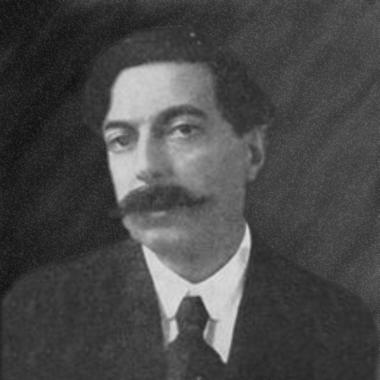
Home: Lérida, Spain Pantaléon Enrique Costanzo Granados y Campiña (1867 – 1916) was a Spanish pianist and composer of classical music. His music is in a uniquely Spanish style and, as such, representative of musical nationalism. He was born in Lérida, Catalonia (Spain). As a young man he studied piano in Barcelona, where his teachers included Francisco Jurnet and Joan Baptista Pujol. In 1887 he went to Paris to study with De Beriot and, most importantly, Felipe Pedrell. |
|
|
|
||
|
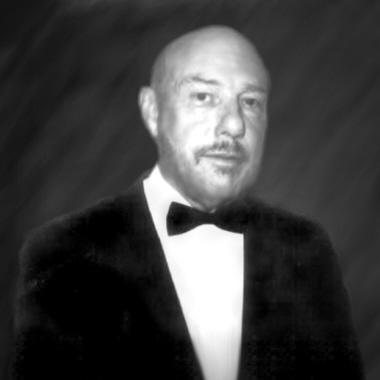
Home: Bremerton, US Jack G. Graves (1927 - 2001) studied piano and cello as a child, and wrote his first musical composition at age twelve. He worked in a record store while attending Northern High in Flint, and played cello in the Flint Symphony. In 1946, he studied at Bethany College in Lindsborg, Kansas and played cello in the Bethany Symphony Orchestra. He later moved to El Paso, Texas, and played in the El Paso Symphony Orchestra, and managed a record store there. |
|
|
|
||
|
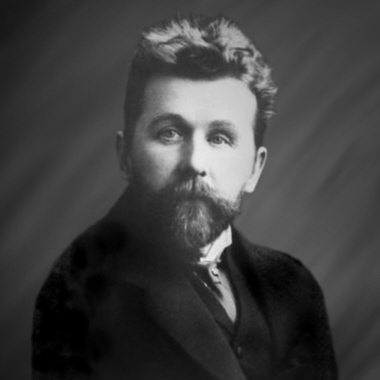
Home: Moscow, Russia Alexander Tikhonovich Gretchaninov (1864 - 1956) was a Russian Romantic composer. Gretchaninov started his musical studies rather late because his father, a businessman, had expected the boy to take over the family firm. Gretchaninov himself related that he did not see a piano until he was 14 and began his studies at the Moscow Conservatory in 1881 against his father's wishes and without his knowledge. |
|
|
|
||
|
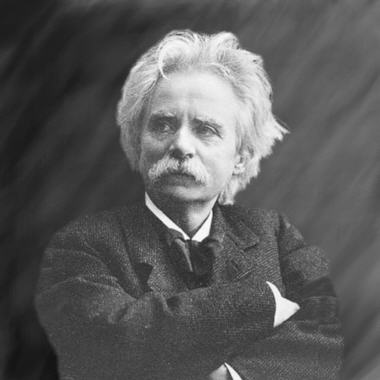
Home: Bergen, Norway Edvard Hagerup Grieg (1843 – 1907) was a Norwegian composer and pianist who composed in the romantic period. He is best known for his Piano Concerto in A minor, for his incidental music to Henrik Ibsen's play Peer Gynt (which includes In the Hall of the Mountain King), and for his Lyric Pieces for the piano. |
|
|
|
||
|
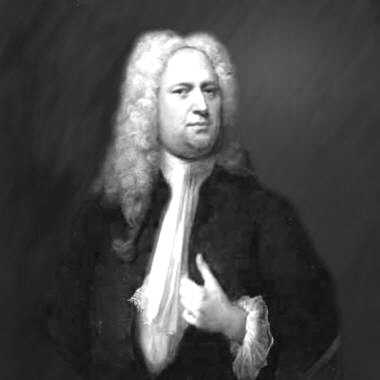
Home: London, England George Frideric Handel (1685 – 1759) was a German/British Baroque composer who was a leading composer of concerti grossi, operas and oratorios. Born in Germany as Georg Friedrich Händel, he lived most of his adult life in England, becoming a subject of the British crown in 1727. His most famous piece is Messiah, an oratorio set to texts from the King James Bible; other well-known works are Water Music and Music for the Royal Fireworks. He deeply influenced many of the composers who came after him, including Haydn, Mozart, and Beethoven. |
|
|
|
||
|
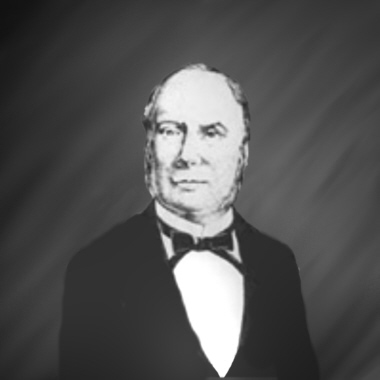
Home: Renescure, France Charles-Louis Hanon (1819 - 1900) was a French piano pedagogue and composer. He is best known for his work The Virtuoso Pianist In 60 Exercises, which have become the most widely used exercises in modern piano teaching. Piano students all over the world know of Hanon’s famous training exercises for pianists. Both Sergei Rachmaninov and Josef Lhévinne claimed Hanon to be the secret of why the Russian piano school delivered an explosion of virtuosi in their time, for the Hanon exercises have been obliged for a long time throughout Russian con |
|
|
|
||
|
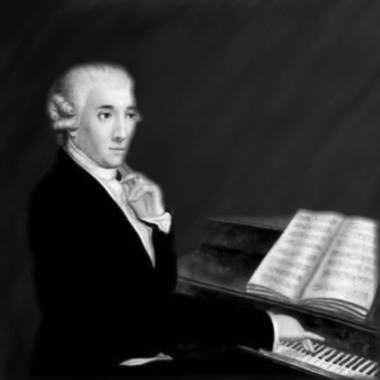
Home: Rohrau, Austria Franz Joseph Haydn (1732 – 1809) was one of the most prominent composers of the Classical period, and is called by some the "Father of the Symphony" and "Father of the String Quartet". A life-long resident of Austria, Haydn spent most of his career as a court musician for the wealthy Eszterházy family on their remote estate. Isolated from other composers and trends in music until the later part of his long life, he was, as he put it, "forced to become original". |
|
|
|
||
|
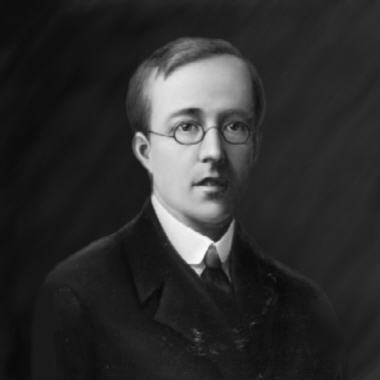
Home: Cheltenham, England Gustav Holst (1874 - 1934) was an English composer and was a music teacher for over 20 years. Holst is most famous for his orchestral suite The Planets. Having studied at the Royal College of Music in London, his early work was influenced by Ravel, Grieg, Richard Strauss, and Ralph Vaughan Williams, but most of his music is highly original, with influences from Hindu spiritualism and English folk tunes. Holst's music is well known for unconventional use of metre and haunting melodies. |
|
|
|
||
|
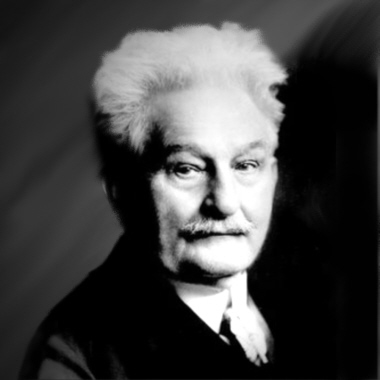
Home: Hukvaldy, Moravia Leoš Janácek (1854 – 1928) was a Czech composer, musical theorist, folklorist, publicist and teacher. He was inspired by Moravian and all Slavic folk music to create an original, modern musical style. Until 1895 he devoted himself mainly to folkloristic research and his early musical output was influenced by contemporaries such as Antonín Dvorák. His later, mature works incorporate his earlier studies of national folk music in a modern, highly original synthesis, first evident in the opera Jenufa, which was premiered in 1904 in Brno. |
|
|
|
||
|
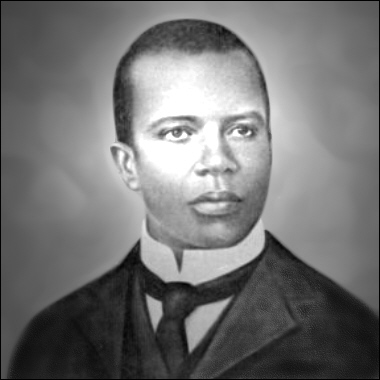
Home: Texarkana, US Scott Joplin (1867 - 1917) was an African American composer and pianist, born near Texarkana, Texas, into the first post-slavery generation. He achieved fame for his unique ragtime compositions, and was dubbed the "King of Ragtime." During his brief career, Joplin wrote 44 original ragtime pieces, one ragtime ballet, and two operas. One of his first pieces, the Maple Leaf Rag, became ragtime's first and most influential hit, and remained so for a century. |
|
|
|
||
|
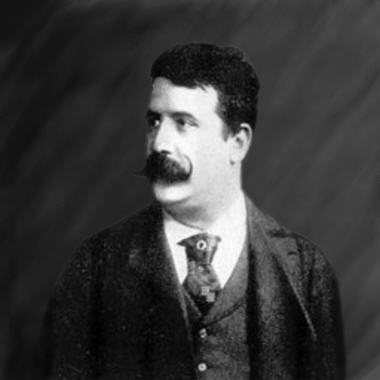
Home: Naples, Italy Ruggiero Leoncavallo (1857 - 1919) was an Italian opera composer. The son of a judge, Leoncavallo was educated at the Conservatorio San Pietro a Majella in his native city, Naples (the date 1858, given for his birth in older histories of music, is incorrect). After some years spent teaching and in ineffective attempts to obtain the production of more than one opera, he saw the enormous success of Mascagni's Cavalleria Rusticana in 1890, and he wasted no time in producing his own verismo hit, Pagliacci. |
|
|
|
||
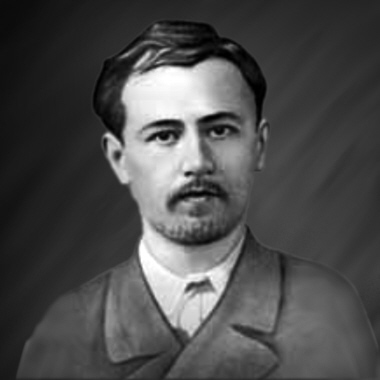
|
Home: Monastyrok, Ukraine Mykola Dmytrovych Leontovych (1877 - 1921) was a Ukrainian composer, choral conductor, and teacher of international renown. Leontovych is recognized for composing Shchedryk in 1916, known to the English speaking world as Carol of the Bells or as Ring Christmas Bells. At the school, Leontovych mastered singing, and was able to freely read difficult passages from religious choral texts. From 1892 until 1899, Mykola Leontovych attended the theological seminary in Kamianets-Podilskyi, where he sang in choir, began to study Ukrainian music, an |
|
|
|
||
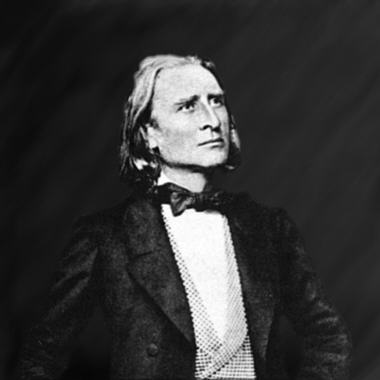
|
Home: Doborján, Habsburg Empire Franz Liszt (1811 – 1886) was a Hungarian virtuoso pianist and composer of the Romantic period of German descent. He was a renowned performer throughout Europe during the 19th century, noted especially for his showmanship and great skill with the piano. Today, he is considered to be one of the greatest pianists in history, despite the fact that no recordings of his playing exist. Liszt is frequently credited with re-defining piano playing itself, and his influence is still visible today, both through his compositions and his legacy as a tea |
|
|
|
||
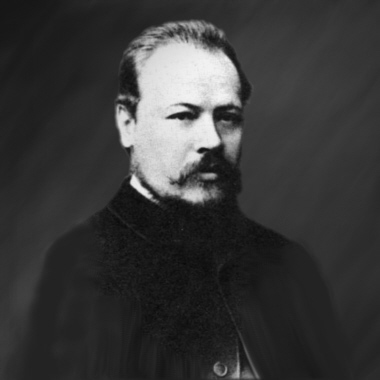
|
Home: St. Petersburg, Russia Anatoly Konstantinovich Lyadov (1855 - 1914) was a Russian composer, teacher and conductor. Lyadov was born in St. Petersburg into a family of eminent Russian musicians. He was taught informally by his conductor father from 1860 to 1868, and then in 1870 entered the St. Petersburg Conservatory to study piano and violin. He soon gave up instrumental study to concentrate on counterpoint and fugue, although he remained a fine pianist. |
|
|
|
||
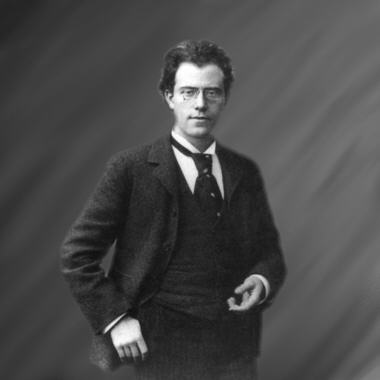
|
Home: Kalište, Czech Republic Gustav Mahler (1860 – 1911) was a Bohemian-Austrian composer and conductor. Mahler was best known during his own lifetime as one of the leading orchestral and operatic conductors of the day. He has since come to be acknowledged as among the most important post-romantic composers. With the exceptions of an early piano quintet and Totenfeier, the original tone-poem version of the first movement of the second symphony, Mahler's entire output consists of only two genres: symphony and song. |
|
|
|
||
|
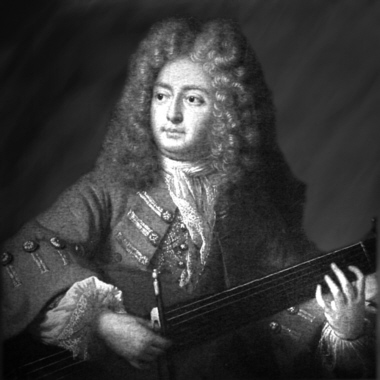
Home: Paris, France Marin Marais (1656 – 1728) was a French composer and viol player. He studied composition with Jean-Baptiste Lully, often conducting his operas, and with master of the bass viol Monsieur de Sainte-Colombe for 6 months. He was hired as a musician in 1676 to the royal court of Versailles. He did quite well as court musician, and in 1679 was appointed "ordinaire de la chambre du roy pour la viole", a title he kept until 1725. |
|
|
|
||
|
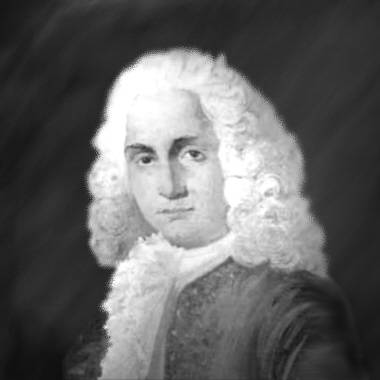
Home: Venice, Italy Alessandro Marcello (1669 – 1747) was an Italian nobleman and dilettante who dabbled in various areas, including poetry, philosophy, mathematics and, perhaps most notably, music. |
|
|
|
||
|
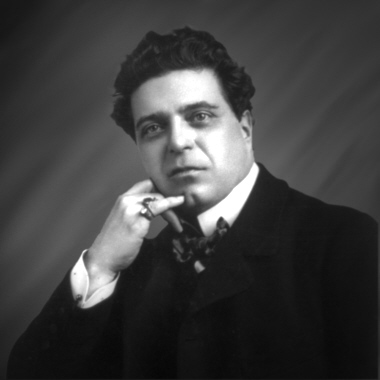
Home: Tuscany, Italy Pietro Mascagni (1863 – 1945) was an Italian composer most noted for his operas. His 1890 masterpiece, Cavalleria Rusticana, caused one of the greatest sensations in opera history and singlehandedly ushered in the Verismo movement in Italian dramatic music. However, though it has been stated that Mascagni, like Leoncavallo, was a "one-opera man" who could never repeat his first success, this is inaccurate. L'amico Fritz and Iris have been popular in Europe since their respective premieres. |
|
|
|
||
|
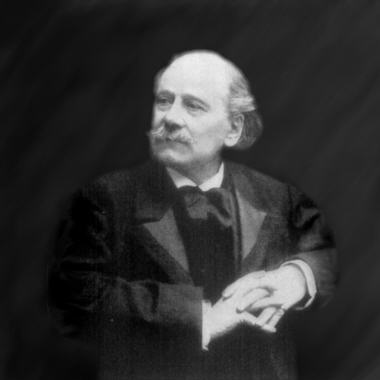
Home: Montaud, France Jules (Émile Frédéric) Massenet (1842 – 1912) was a French composer. He is best known for his operas, which were very popular in the late 19th and early 20th century; they afterwards fell into oblivion for the most part, but have undergone periodic revivals since the 1980s. Certainly Manon and Werther have held the scene uninterruptedly for well over a century. He wrote the famous "Meditation" for his opera Thais. It has gone down as one of the great violin classics of all time. |
|
|
|
||
|
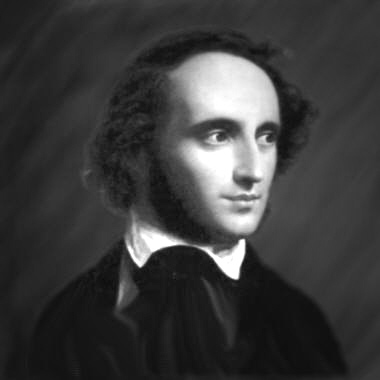
Home: Hamburg, Germany Jakob Ludwig Felix Mendelssohn Bartholdy (1809 – 1847), born and known generally as Felix Mendelssohn, was a German composer and conductor of the early Romantic period. He was born to a notable Jewish family, being the grandson of the philosopher Moses Mendelssohn. His work includes symphonies, concertos, oratorios, piano and chamber music. His creative originality is now being recognized and re-evaluated, and he is now among the most popular composers of the Romantic era. |
|
|
|
||
|
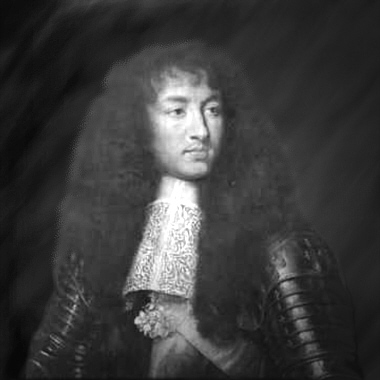
Home: Avignon, France Jean-Joseph Mouret (1682 - 1738) was a French composer whose dramatic works made him one of the leading exponents of Baroque music in his country. Even though most of his works are no longer performed, Mouret's name survives today thanks to the popularity of the Fanfare-Rondeau from his first Suite de Symphonies, which has been adopted as the signature tune of the PBS program Masterpiece Theatre. |
|
|
|
||
|
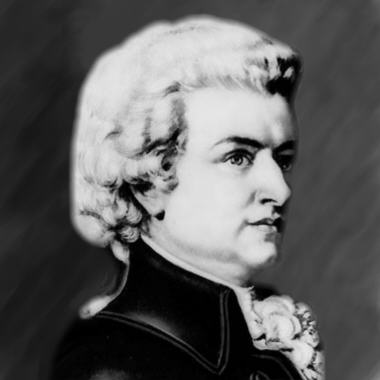
Home: Salzburg, Austria Wolfgang Amadeus Mozart (1756 – 1791) was a prolific and highly influential Austrian composer of Classical music. His enormous output of more than six hundred compositions includes works that are widely acknowledged as pinnacles of symphonic, chamber, piano, operatic, and choral music. Mozart is among the most enduringly popular of European composers, and many of his works are part of the standard concert repertoire. |
|
|
|
||
|
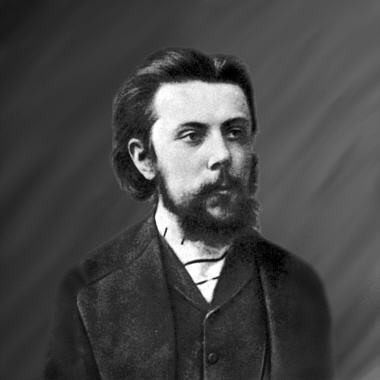
Home: Karevo, Russia Modest Petrovich Mussorgsky (1839 – 1881), one of the Russian composers known as the Five, was an innovator of Russian music. He strove to achieve a uniquely Russian musical identity, often in deliberate defiance of the established conventions of Western music. Many of his major works were inspired by Russian history, Russian folklore, and other nationalist themes, including the opera Boris Godunov, the orchestral tone poem Night on the Bald Mountain, and the piano suite Pictures at an Exhibition. |
|
|
|
||
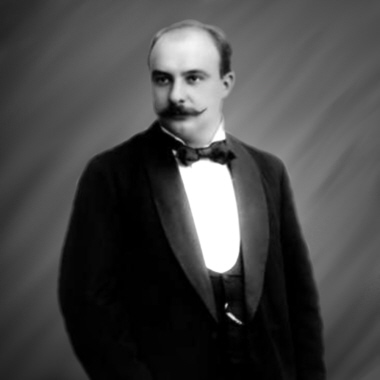
|
Home: Tábor, Bohemia Oskar Nedbal (1874 - 1930) was born in Tábor, in southern Bohemia. He studied the violin at the Prague Conservatory under Antonín Bennewitz. He was principal conductor with the Czech Philharmonic Orchestra from 1896 to 1906 and was a founder member of the Bohemian String Quartet. |
|
|
|
||
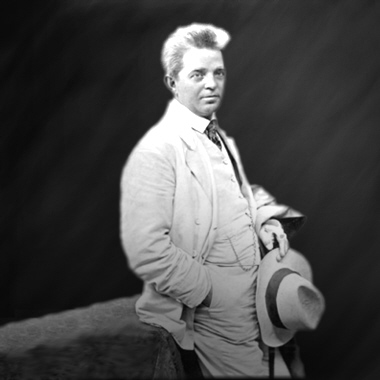
|
Home: Sortelung, Denmark Carl August Nielsen (1865 – 1931) was a conductor, violinist, and composer from Denmark. His works have long been well known in Denmark and they have been a mainstay throughout the Nordic countries and, to a lesser extent, in Britain, and rising young conductors such as Gustavo Dudamel and Alan Gilbert are now playing Nielsen's music in the United States.Carl Nielsen is especially admired for his six symphonies and his concertos for violin, flute and clarinet. |
|
|
|
||
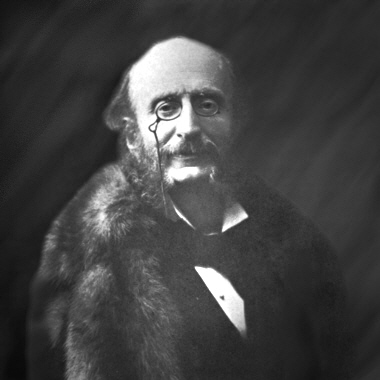
|
Home: Cologne, Germany Jacques Offenbach (1819 – 1880), composer and cellist of the Romantic era, was one of the originators of the operetta form. He was one of the most influential composers of popular music in Europe in the 19th century, and many of his works remain in the repertory. While associated with light music, he also wrote one fully operatic masterpiece, Les contes d'Hoffmann (The Tales of Hoffmann). |
|
|
|
||
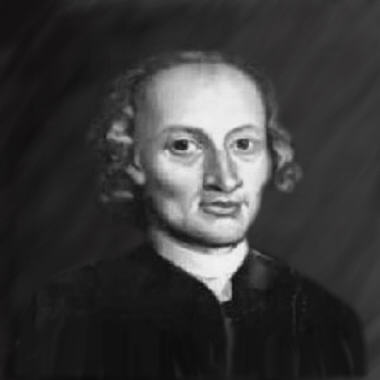
|
Home: Nuremberg, Germany Johann Pachelbel (1653 – 1706) was a German Baroque composer, organist and teacher who brought the south German organ tradition to its peak. He composed a large body of sacred and secular music, and his contributions to the development of the chorale prelude and fugue have earned him a place among the most important composers of the middle Baroque. |
|
|
|
||
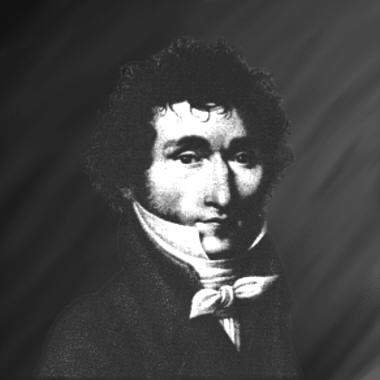
|
Home: Genoa, Italy Niccolò (or Nicolò) Paganini (1782 – 1840) was an Italian violinist, violist, guitarist and composer. He is one of the most famous violin virtuosi, and is considered one of the greatest violinists who ever lived, with perfect intonation and innovative techniques. Although nineteenth century Europe had seen several extraordinary violinists, Paganini was the preeminent violin virtuoso of that century. |
|
|
|
||
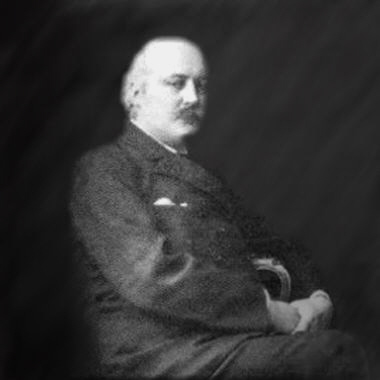
|
Home: Bournemouth, England Sir Charles Hubert Hastings Parry (1848 – 1918) was an English composer, probably best known for his setting of William Blake's poem, "Jerusalem", the coronation anthem "I Was Glad" and the hymn tune "Repton" which sets the words Dear Lord and Father of Mankind. While a student at Eton, Parry took music lessons from George Elvey. The instruction was so successful that Parry earned a Bachelor’s of Music from Oxford at age 18. After graduation, he worked for three years as a clerk at the insurance company of Lloyds of London. |
|
|
|
||
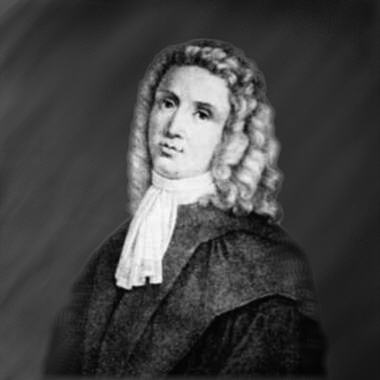
|
Home: Jesi, Italy Giovanni Battista Pergolesi (1710 – 1736) was an Italian composer, violinist and organist. Pergolesi was one of the most important early composers of opera buffa (comic opera). His opera Seria Il Prigioner Superbo contained the two act buffa intermezzo, La Serva Padrona (1733), which became a very popular work in its own right. When it was given in Paris in 1752, it prompted the so-called Querelle des Bouffons (quarrel of the comedians) between supporters of serious French opera by the likes of Jean-Baptiste Lully and Jean-Philippe Rameau a |
|
|
|
||
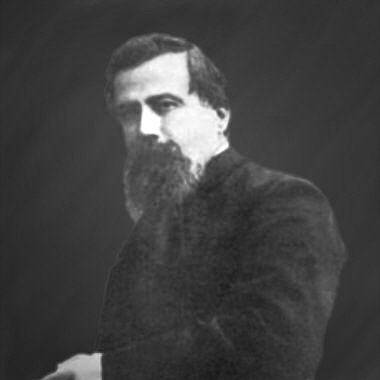
|
Home: Paderno Fasolaro, Italy Amilcare Ponchielli (1834 – 1886) was an Italian composer, largely of operas. |
|
|
|
||
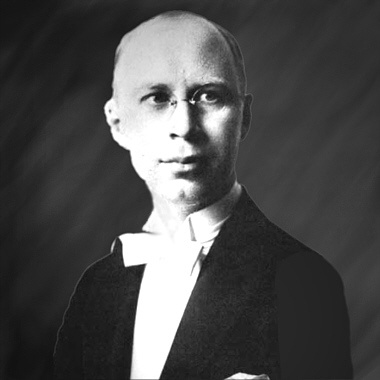
|
Home: Sontsovka, Ukraine Sergei Sergeyevich Prokofiev (1891–1953) was a Russian composer, pianist and conductor who mastered numerous musical genres and is generally regarded as one of the major composers of the 20th century. Prokofiev was born in Sontsovka (now Krasne) in the Ukraine. He displayed unusual musical abilities by the age of five. His first piano composition to be written down (by his mother), an 'Indian Gallop', was in the Lydian mode (a major scale with a raised 4th scale degree) as the young Prokofiev felt 'reluctance to tackle the black notes'. By |
|
|
|
||
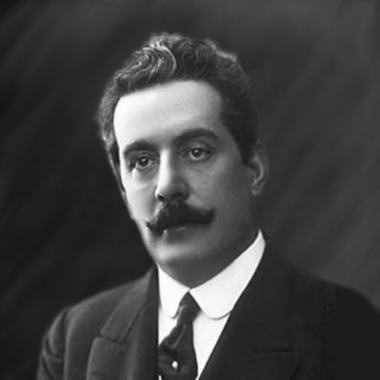
|
Home: Lucca, Italy Giacomo Antonio Domenico Michele Secondo Maria Puccini (1858 – 1924) was an Italian composer whose operas, including La Bohème, Tosca, and Madama Butterfly, are among the most frequently performed in the standard repertoire. Some of his melodies, such as "O mio babbino caro" from Gianni Schicchi and "Nessun Dorma" from Turandot, have become part of modern culture. One of the few operatic composers to successfully use both German and Italian techniques of opera, Puccini is regarded as the successor to Giuseppe Verdi. |
|
|
|
||
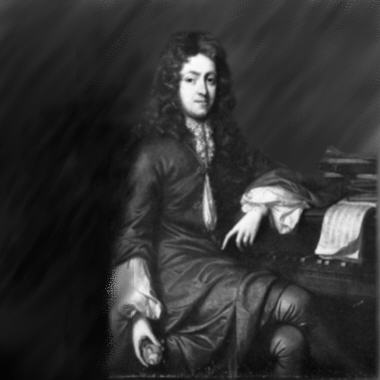
|
Home: London, England Henry Purcell (1659–1695), a Baroque composer, is generally considered to be one of England's greatest composers. He has often been called England's finest native composer. Purcell incorporated Italian and French stylistic elements but devised a peculiarly English style of Baroque music. |
|
|
|
||
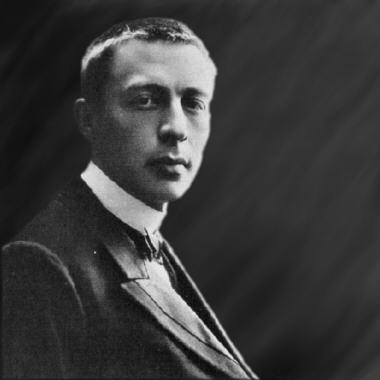
|
Home: Semyonovo, Russia Sergei Vasilievich Rachmaninoff (April, 1873 – March 1943) was a Russian composer, pianist, and conductor, one of the last great champions of the Romantic style of European classical music. "Sergei Rachmaninoff" was the spelling the composer himself used while living in the West throughout the latter half of his life. However, transliterations of his name include Sergey or Serge, and Rachmaninov, Rachmaninow, Rakhmaninov or Rakhmaninoff. |
|
|
|
||
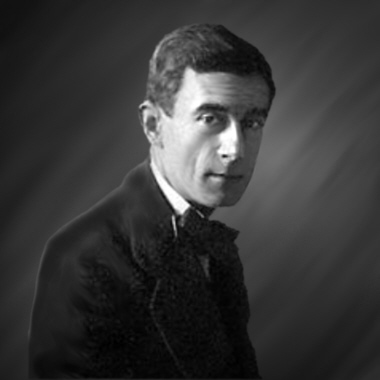
|
Home: Ciboure, France Joseph-Maurice Ravel (1875 – 1937) was a French composer and pianist of Impressionist music known especially for the subtlety, richness, and poignancy of his melodies, orchestral and instrumental textures and effects. Much of his piano music, chamber music, vocal music and orchestral music have become staples of the concert repertoire. |
|
|
|
||
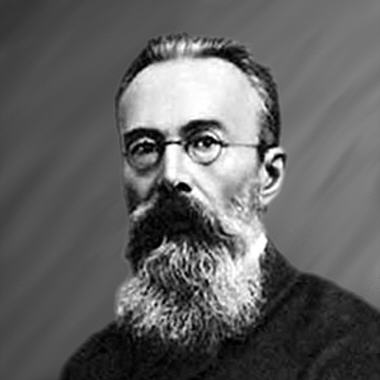
|
Home: Tikhvin, Russia Nikolai Andreyevich Rimsky-Korsakov (1844 – 1908) was a Russian composer, one of five Russian composers known as The Five, and was later a teacher of harmony and orchestration. He is particularly noted for a predilection for folk and fairy-tale subjects, and for his extraordinary skill in orchestration, which may have been influenced by his synesthesia. |
|
|
|
||
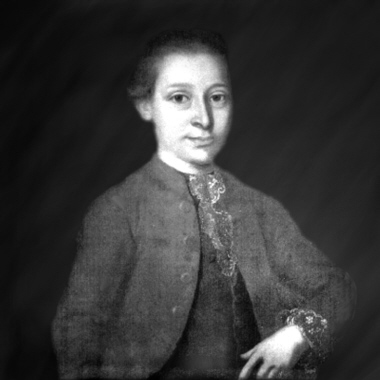
|
Home: Stockholm, Sweden Johan Helmich Roman (1694 - 1758) was a Swedish Baroque composer. He has been called "the father of Swedish music" or "the Swedish Händel." Roman spent 6 years (1715-1721) in England and there studied with Johann Christoph Pepusch and met Francesco Geminiani and the great Händel whose music he admired. Roman returned to Sweden at the age of 27 and was appointed Deputy Master and 6 years later became Chief Master at the Swedish Royal Orchestra. Aside from being a composer, he was a performer. The violin and oboe were his favorite instruments |
|
|
|
||
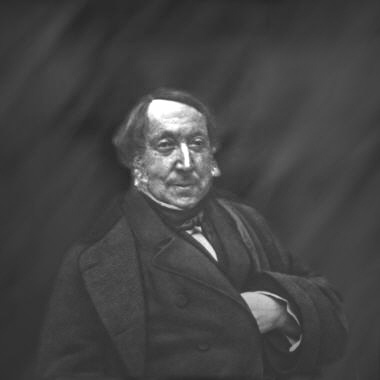
|
Home: Pesaro, Italy Gioacchino Antonio Rossini (1792 – 1868) was an Italian musical composer who wrote more than 30 operas as well as sacred music and chamber music. His best known works include Il barbiere di Siviglia (The Barber of Seville), and Guillaume Tell (William Tell), the end of the overture is popularly known for being the signature tune for The Lone Ranger. |
|
|
|
||
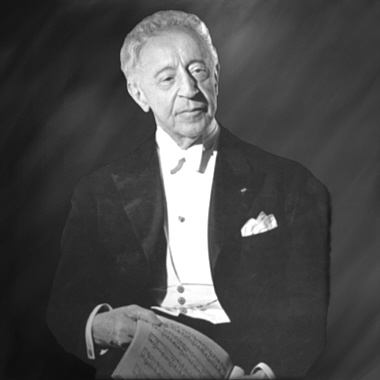
|
Home: Lodz, Poland Arthur Rubinstein KBE (1887–1982) was a Polish-American pianist. He received international acclaim for his performances of the music of a variety of composers (many regard him as the greatest Chopin interpreter of the century). He is widely considered one of the greatest pianists of the twentieth century. |
|
|
|
||
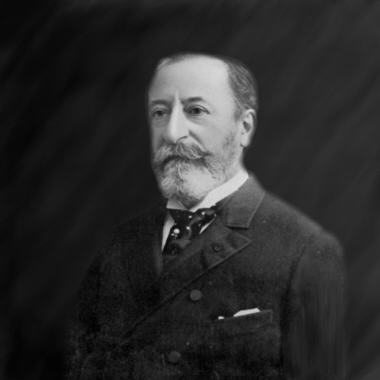
|
Home: Paris, France Charles Camille Saint-Saëns (1835 – 1921) was a French composer and performer, best known for his orchestral works The Carnival of the Animals, Danse Macabre, and Symphony No. 3 ("Organ Symphony"). |
|
|
|
||
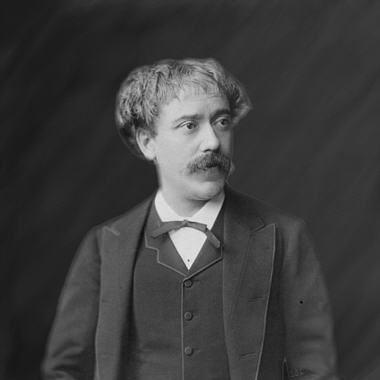
|
Home: Pamplona, Spain Pablo Martín Melitón de Sarasate y Navascués (1844 - 1908), was a Spanish violin virtuoso and composer of the Romantic period. |
|
|
|
||
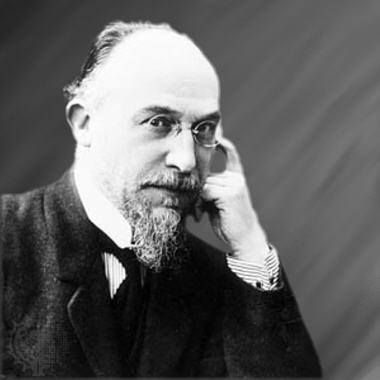
|
Home: Honfleur, France Alfred Éric Leslie Satie (1866 – 1925) was a French composer, pianist, and writer. Dating from his first composition in 1884, he signed his name as Erik Satie, as he said he preferred it. He wrote articles for several periodicals and, although in later life he prided himself on always publishing his work under his own name, there appears to have been a brief period in the late 1880s during which he published articles under the pseudonym, Virginie Lebeau. |
|
|
|
||
|
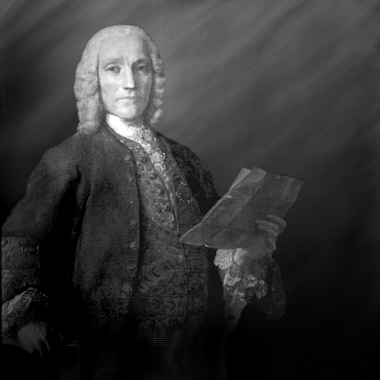
Home: Naples, Italy Giuseppe Domenico Scarlatti (1685 – 1757) was an Italian composer who spent much of his life in the service of the Portuguese and Spanish royal families. He is classified as a Baroque composer chronologically, although his music was influential in the development of the Classical style. His influential 555 sonatas were almost all written for the harpsichord with a few exceptions for chamber ensemble or organ. He was the son of composer Alessandro Scarlatti. |
|
|
|
||
|
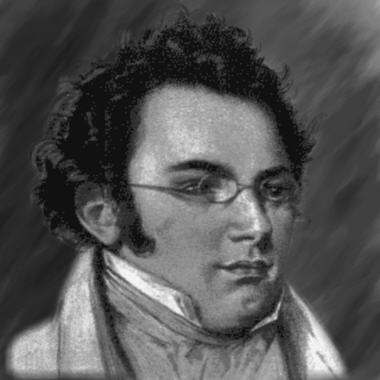
Home: Vienna, Austria Franz Peter Schubert (1797 – 1828) was an Austrian composer considered to be the last master of the Viennese Classical school and one of the earliest proponents of musical Romanticism. Although he died at the young age of 31, he managed to write some six hundred songs (Lieder) in addition to nine symphonies, various sonatas, string quartets, and other works. With a genius for original melodic and harmonic writing, Schubert is counted among the greats. |
|
|
|
||
|
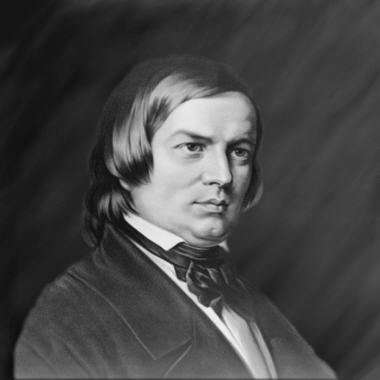
Home: Zwickau, Saxony Robert Schumann (1810 – 1856) was a German composer and pianist. He was one of the most famous Romantic composers of the nineteenth century, as well as a famous music critic. An intellectual as well as an aesthete, his music reflects the deeply personal nature of Romanticism. Introspective and often whimsical, his early music was an attempt to break with the tradition of classical forms and structure which he thought too restrictive. |
|
|
|
||
|
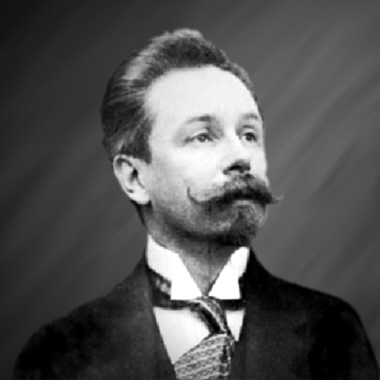
Home: Moscow, Russia Alexander Nikolayevich Scriabin (1872 - 1915) was a Russian composer and pianist who initially developed a highly lyrical and idiosyncratic tonal language inspired by the music of Chopin. Unlike the later Roslavets and Schönberg, Scriabin developed, via mysticism, an increasingly atonal musical language that presaged 12-tone composition and other serial music. He may be considered to be the primary figure of Russian Symbolism in music as well as the progenitor of Serialism. |
|
|
|
||
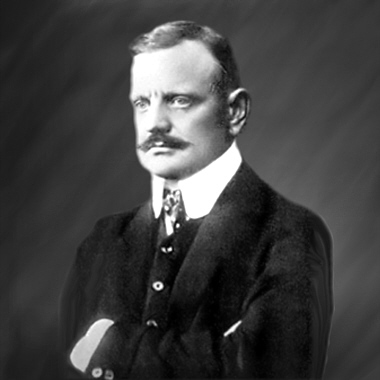
|
Home: Hämeenlinna, Finland Jean Sibelius (1865 – 1957) was a Finnish composer of the later Romantic period whose music played an important role in the formation of the Finnish national identity. The core of Sibelius's oeuvre is his set of seven symphonies. Like Beethoven, Sibelius used each one to develop further his own personal compositional style. Unlike Beethoven who used the symphonies to make public statements, and who reserved his more intimate feelings for his smaller works, Sibelius released his personal feelings in the symphonies. |
|
|
|
||
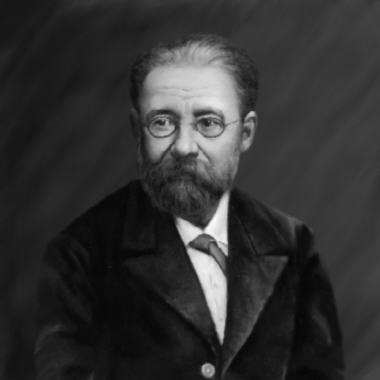
|
Home: Litomyšl, Bohemia Bedrich Smetana (1824 - 1884) was a Czech composer. He is best known for his symphonic poem Vltava (The Moldau), the second in a cycle of six which he entitled Má vlast ("My Country"), and for his opera The Bartered Bride. |
|
|
|
||
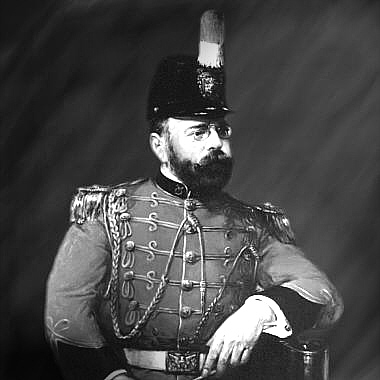
|
Home: Washington, D.C. , USA John Philip Sousa (1854 – 1932) was an American composer and conductor of the late Romantic era known particularly for American military marches. Because of his prominence, he is known as "The March King". |
|
|
|
||
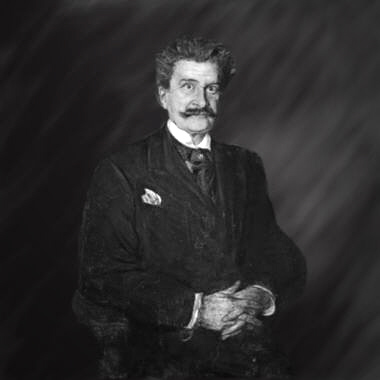
|
Home: Vienna, Austria Johann Strauss II (1825 – 1899), also known as Johann Strauss the Younger, Johann Strauss Jr., and Johann Sebastian Strauss, was an Austrian composer known especially for his waltzes, such as The Blue Danube. Son of the composer Johann Strauss I, and brother to the composers Josef Strauss and Eduard Strauss, Johann II is the most famous of the family. He was known in his lifetime as "the waltz king," and the popularity of the waltz in Vienna through the 19th century is due in large part to him. |
|
|
|
||
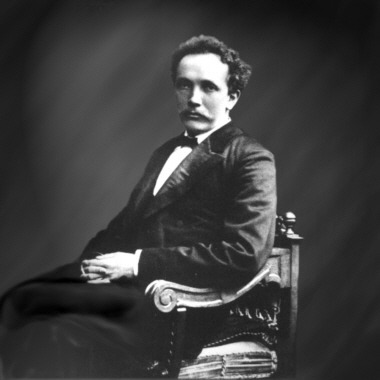
|
Home: Munich, Germany Richard Georg Strauss (1864 – 1949) was a leading German composer of the late Romantic and early modern eras, particularly of operas, Lieder and tone poems. Together with Gustav Mahler he represents the extraordinary late flowering of German Romanticism after Richard Wagner in which pioneering subtleties of orchestration are combined with an advanced harmonic style. Strauss's music had a profound influence on the development of music in the twentieth century. Like Mahler, Strauss was also a prominent conductor. |
|
|
|
||
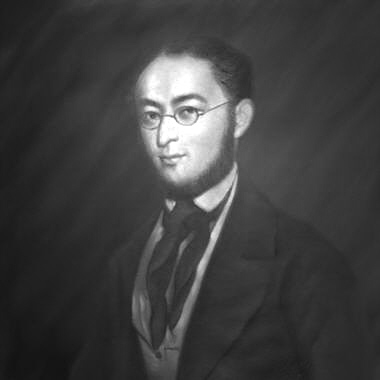
|
Home: Split, Dalmatia Franz von Suppé (1819 – 1895) was a composer and conductor of the Romantic period notable for his four dozen operettas. His original name was Francesco Ezechiele Ermenegildo, Cavaliere Suppé-Demelli. The "Cavaliere" in his name is a signifier of knighthood. He simplified and Germanized his name when in Vienna, and changed "cavaliere" to "von." Outside Germanic circles his name may appear on programs as Francesco Suppé-Demelli. |
|
|
|
||
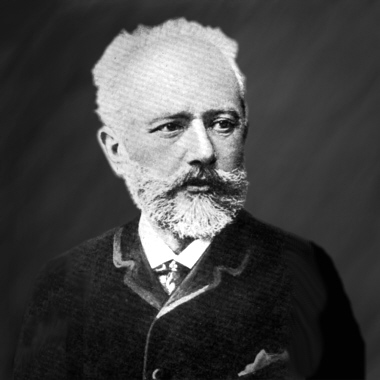
|
Home: St. Petersburg, Russia Peter Ilych Tchaikovsky (1840 - 1893) is a Russian composer best known for his ballets and symphonies. In his own words..."How can one express the indefinable sensations that one experiences while writing an instrumental composition that has no definite subject? It is a purely lyrical process. It is a musical confession of the soul, which unburdens itself through sounds just as a lyric poet expresses himself through poetry... As the poet Heine said, "Where words leave off, music begins." |
|
|
|
||
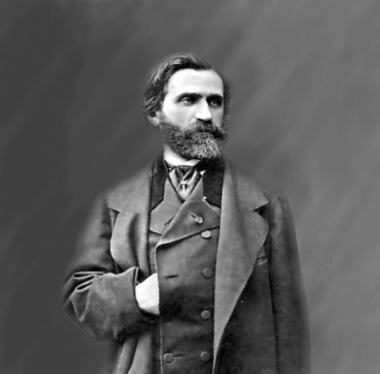
|
Home: Le Roncole, Italy Giuseppe Fortunino Francesco Verdi (1813-1901) was an Italian composer, mainly of opera. He was the most influential member of the 19th century's Italian School of Opera. His works are frequently performed in opera houses throughout the world and, transcending the boundaries of the genre, some of his themes have long since taken root in popular culture - such as "La donna è mobile" from Rigoletto and "Libiamo ne' lieti calici" from La traviata. Oftentimes scoffed at by the critics, in his lifetime and today, as catering to the tastes of the |
|
|
|
||
|
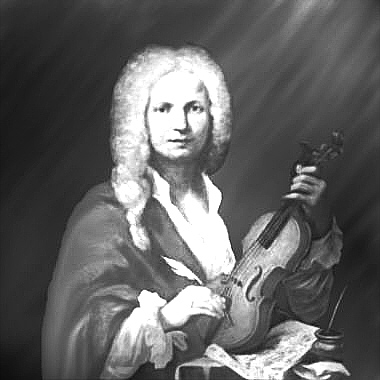
Home: Venice, Italy Antonio Lucio Vivaldi (1678 – 1741), nicknamed Il Prete Rosso ("The Red Priest"), was a Venetian priest and baroque music composer, as well as a famous violinist. The Four Seasons, a series of four violin concertos, are his best known works and highly popular classical music pieces. |
|
|
|
||
|
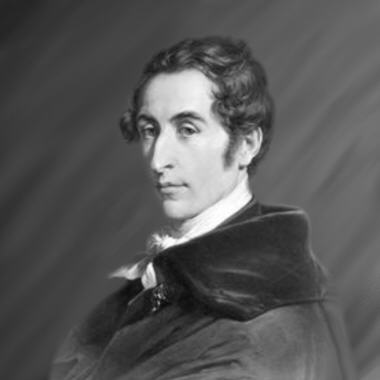
Home: Eutin, Holstein Carl Maria Friedrich Ernst, Freiherr von Weber (1786 - 1826) was a German composer, conductor, pianist and critic, one of the first significant composers of the Romantic school. Weber's works, especially his operas Der Freischütz, Euryanthe and Oberon greatly influenced the development of the Romantic opera in Germany. He was also an innovative composer of instrumental music. |
|
|
|
||
|
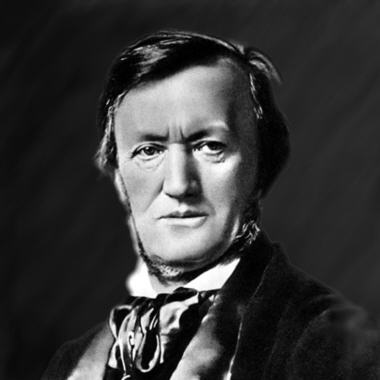
Home: Leipzig, Germany Wilhelm Richard Wagner (1813 – 1883) was a German composer, conductor, music theorist, and essayist, primarily known for his operas (or "music dramas" as he later came to call them). Unlike most other great opera composers, Wagner always wrote the scenario and libretto for his works himself. Wagner pioneered advances in musical language including extreme chromaticism and atonality which greatly influenced the development of European classical music. |
|
|
|
||
|
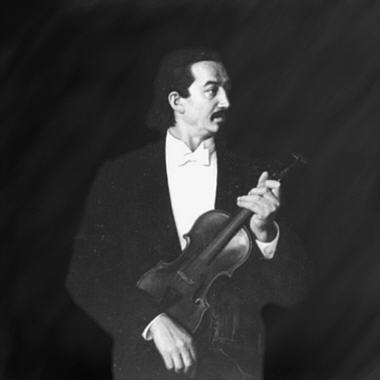
Home: Lublin, Russia Henryk Wieniawski (1835 - 1880) was a Polish composer and violinist. He was born into a Polish-Jewish family, whose father, Tobiasz Pietruszka, converted to Catholicism. His talent for playing the violin was recognized early on, and in 1843 he entered the Paris Conservatoire. After graduation, Wieniawski toured extensively, giving many recitals on which he was often accompanied by his brother Józef on piano. In 1847 Henryk Wieniawski published his first opus, a Grand Caprice Fantastique, the start of a modest but important catalog of 24 opu |
|
|
|
||